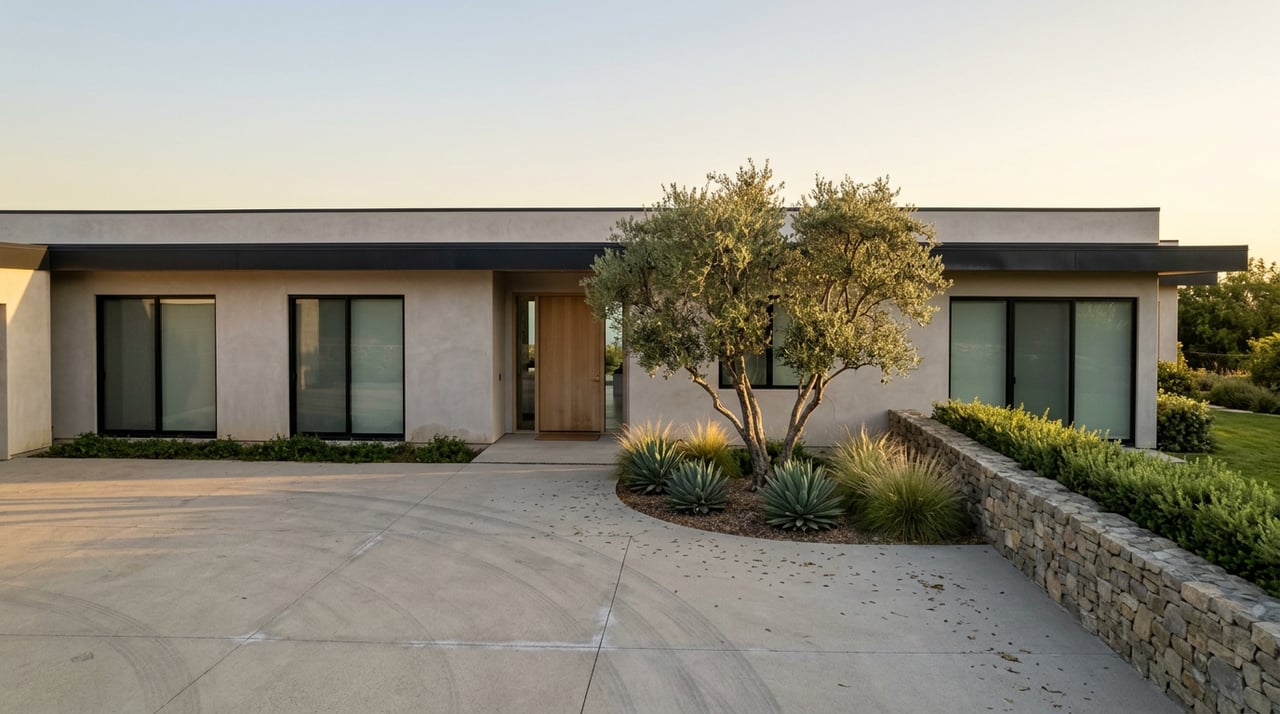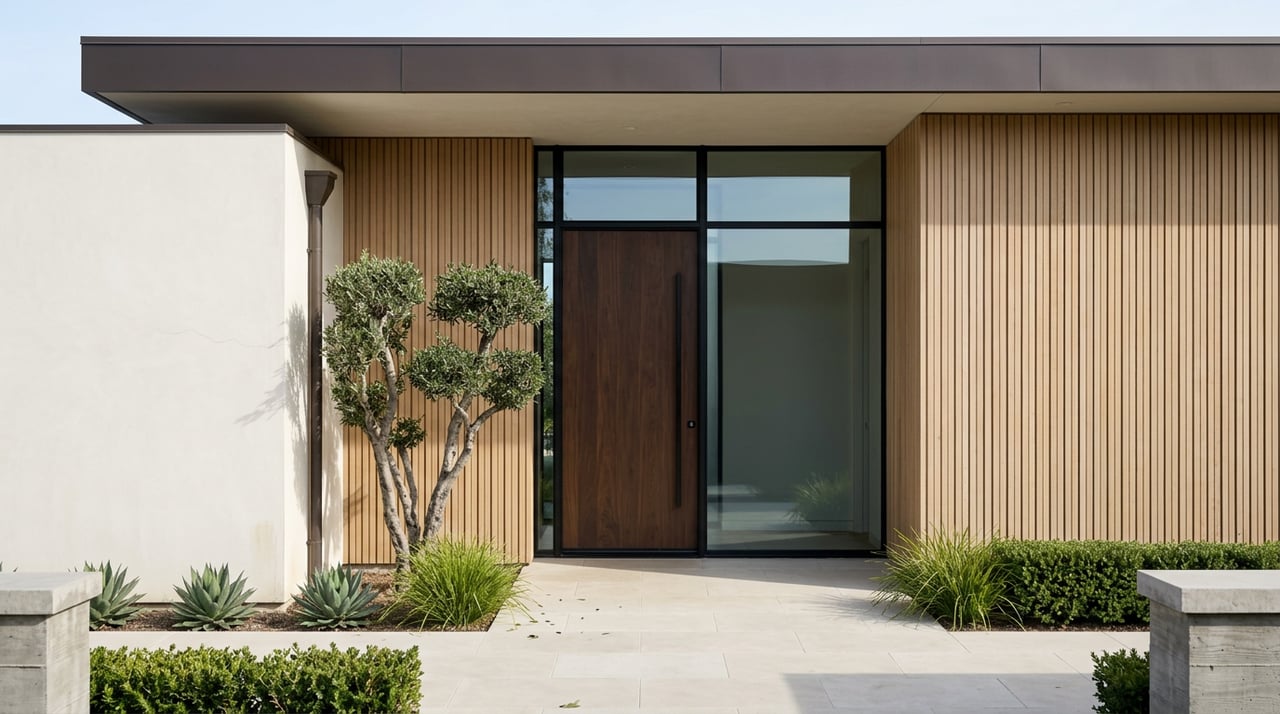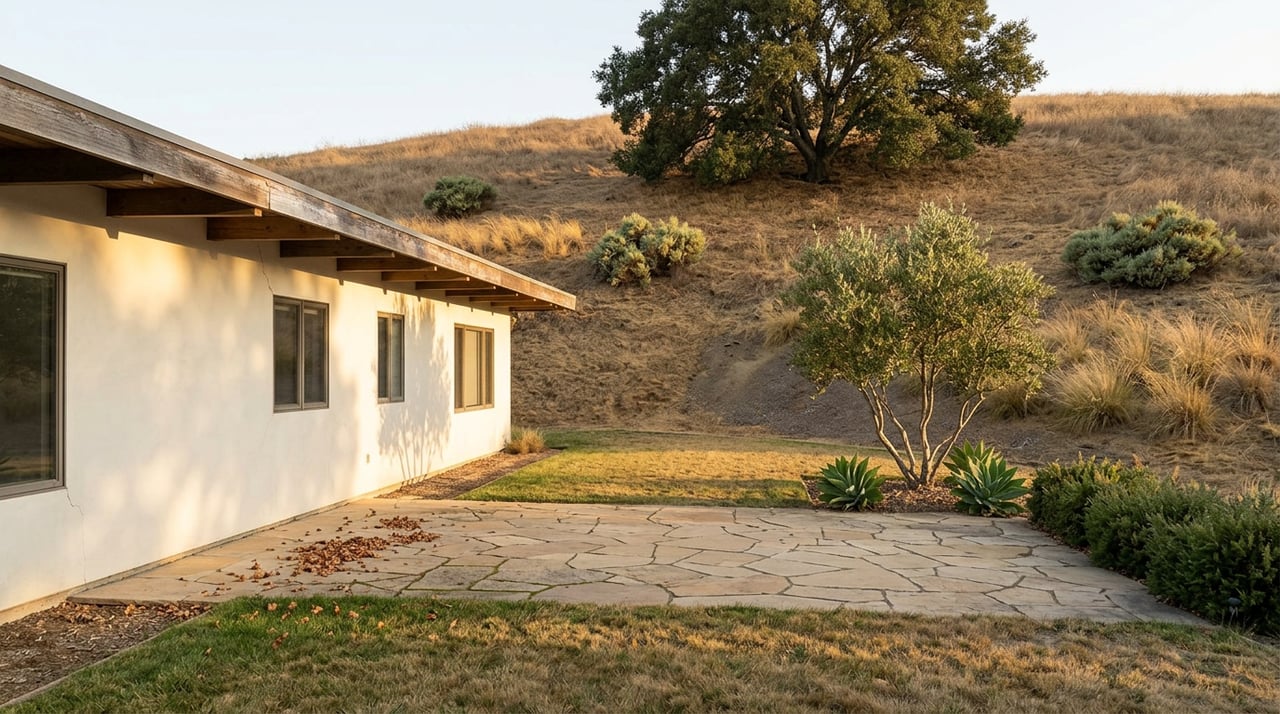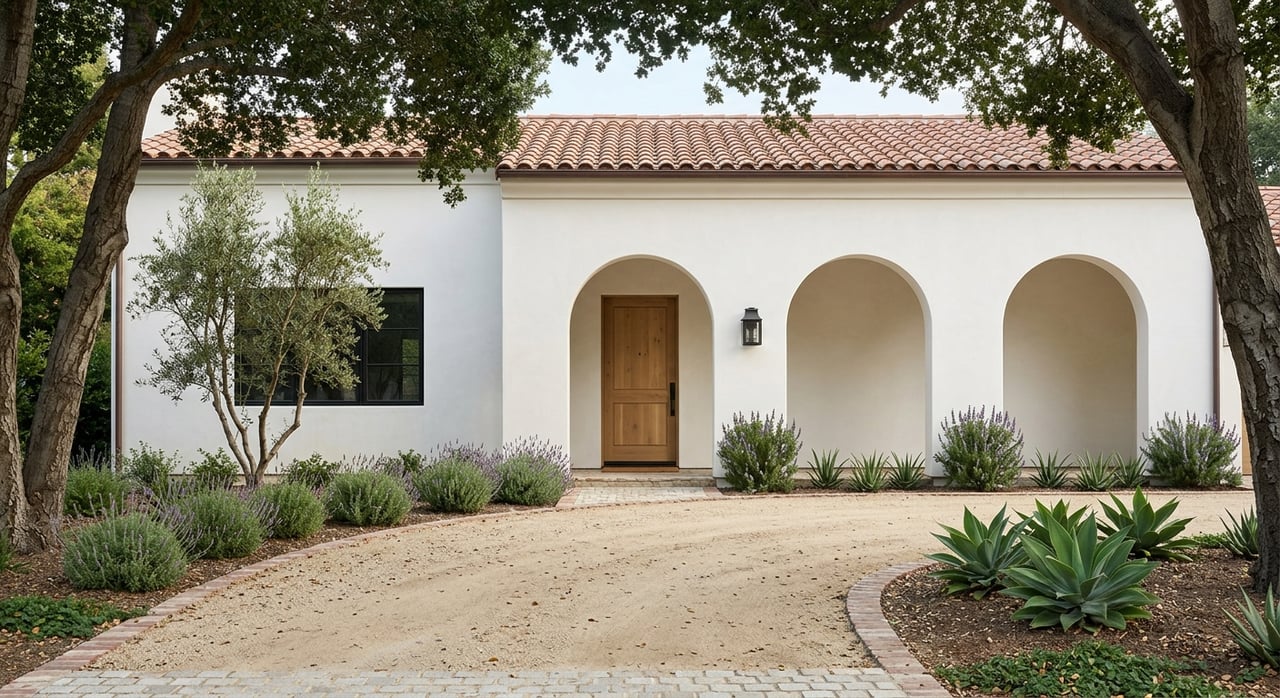
If you are curious about what daily life in Rolling Hills actually feels like, the short answer is this: it is private, quiet, and intentionally different from a typical Southern California neighborhood. You are not moving into a place built around errands on foot, busy corner retail, or spontaneous drop-ins. Instead, you are stepping into a gated, rural-style residential setting where space, privacy, and structure shape everyday routines. Let’s dive in.
What makes Rolling Hills different
Rolling Hills is not designed like a standard suburban city. According to city planning documents, it is almost entirely residential, with no commercial core inside the city, no public roads or streets, and no public transit service within the gates.
That has a real effect on how the community feels day to day. Your surroundings are defined more by open space, estate-sized lots, equestrian paths, and views than by storefronts, traffic lights, or dense neighborhood activity. The overall rhythm is slower and more managed.
A gated lifestyle shapes the routine
One of the biggest parts of life in Rolling Hills is access. The Rolling Hills Community Association states that the city has three staffed gates operating 24 hours a day, 7 days a week.
This is not just a visual feature or a luxury detail. Guests, visitors, food deliveries, ride-share services, workers, and service providers generally need to be placed on a resident’s guest list and show valid identification at entry. That makes even ordinary logistics feel more planned and more private.
Visitors need advance planning
If you enjoy hosting, you can absolutely do that in Rolling Hills, but it usually comes with a little coordination. Guests cannot simply arrive and expect open entry. Gate procedures are part of normal life here.
That means dinner guests, repair professionals, and deliveries often need to be arranged in advance. For many residents, that tradeoff supports the privacy and security that define the community.
Service access follows set hours
Workers and service providers also follow access rules. According to RHCA, their entry is generally limited to Monday through Saturday from 7:00 a.m. to 6:00 p.m.
This helps create a predictable pace within the neighborhood. It also means that home projects, maintenance visits, and vendor scheduling usually work best when handled proactively.
Privacy is built into ownership
Rolling Hills places a high value on resident privacy. RHCA notes that real estate agents must use their own vehicle when showing property, and public advertising should not include a home’s street number.
Those details say a lot about the community culture. Privacy is not treated as a bonus feature. It is part of how the neighborhood operates.
For buyers, this can feel refreshingly discreet. For sellers, it also means marketing and property access often require a thoughtful, tailored approach that respects local expectations.
The setting feels rural, not suburban
Official planning and hazard documents describe Rolling Hills as having a ranch-like, low-density character with large spaces between homes and wide equestrian paths. That rural feeling is one of the city’s defining traits.
In practical terms, you are living in a place that feels more like a private countryside enclave than a conventional neighborhood grid. The visual experience is shaped by land, fencing, trails, and open views rather than a typical suburban street scene.
You will likely drive for daily errands
Because there is no commercial center inside Rolling Hills, residents generally leave the gates for shopping, dining, work, and schools elsewhere on the Peninsula. There is also no public transit service within the city.
So while the lifestyle offers calm and separation, it is not centered on everyday convenience within walking distance. If you want a quick coffee run or nearby retail without getting in the car, this setting may feel less natural.
Equestrian life is part of the community
Rolling Hills is widely recognized for its horse-friendly lifestyle. RHCA states that the community has nearly 30 miles of recognized bridle trails, along with two riding rings maintained within the neighborhood.
This is not an occasional amenity tucked into the background. The trail network and riding facilities are part of the city’s identity and part of the daily landscape many residents enjoy.
Trails are managed and structured
The bridle trails operate more like a private system than a public park network. RHCA says trail use is daylight-only, bikes and motor vehicles are prohibited, and off-trail travel is treated as trespassing.
Pedestrians may use the trails only when accompanied by a resident. Equestrians must follow badge and gate procedures. That creates an outdoor environment that feels calm and protected, but also clearly regulated.
Outdoor time comes with etiquette
If you picture a casual afternoon outside, Rolling Hills can absolutely deliver that. But the experience is shaped by rules, resident access, and community expectations.
A walk or ride here is less about wandering a public neighborhood and more about using a carefully maintained shared landscape. For many people, that structure is part of the appeal.
Homeownership is hands-on
Rolling Hills ownership usually comes with a more active stewardship role than many buyers expect. RHCA states that easements around each property must be kept clear, drains are the homeowner’s responsibility, and fence replacement requires both a survey and a fence permit.
The city’s housing documents add more context. Many parcels are governed by CC&Rs, and easements may be used for streets, driveways, trails, utilities, drainage, and open space. These areas must remain free of obstructions.
Exterior changes follow review rules
The neighborhood’s appearance is intentionally preserved through layered standards. RHCA describes traditional fencing and exterior requirements, including white three-rail fencing and pure-white exteriors, with architectural approval needed for changes.
City documents also note design review for certain property changes, including ADUs, and reference one-story requirements across much of the city. If you are considering renovations or exterior updates, it is important to understand that changes are not purely personal design choices here.
Maintenance is part of the lifestyle
In Rolling Hills, upkeep supports the larger look and function of the community. Landscaping, fencing, drainage, and exterior finishes all connect to a broader system designed to maintain the city’s rural character.
That does not make ownership difficult by default, but it does make it more involved. If you value a highly managed visual environment, this can feel reassuring. If you want fewer property obligations, it may feel like more effort.
Is Rolling Hills walkable?
That depends on what you mean by walkable. If you mean a neighborhood where you can stroll to shops, services, or transit, the answer is generally no.
City documents state there are no public roads or streets inside Rolling Hills and no public transit service within the gates. The setting supports outdoor movement and equestrian use, but not the usual suburban pattern of sidewalks, errands, and public neighborhood circulation.
Who tends to enjoy this lifestyle most
Rolling Hills tends to appeal to people who want privacy, open space, controlled access, and a strong sense of residential consistency. It can be especially attractive if you value quiet surroundings and an outdoor routine shaped by land and trails.
At the same time, this lifestyle is usually a better fit for someone who is comfortable with planning ahead. Visitors, maintenance, deliveries, and property changes all come with more structure than they would in a conventional neighborhood.
What buyers and sellers should keep in mind
If you are buying in Rolling Hills, it helps to think beyond square footage and finishes. Daily life here is shaped by access procedures, maintenance responsibilities, and a very specific neighborhood rhythm.
If you are selling, those same factors matter in how a home is presented and who is most likely to connect with it. Buyers are often responding not just to a property, but to a highly distinctive way of living.
That is where local guidance becomes especially valuable. A neighborhood like Rolling Hills rewards a clear understanding of how the community works, what buyers should expect, and how to position a home with both accuracy and care.
If you are exploring a move in or around Rolling Hills, working with a local advisor can help you understand whether the lifestyle truly fits your goals. For personalized guidance, neighborhood insight, and thoughtful support, connect with Janet Chen.
FAQs
What is daily life like in Rolling Hills?
- Daily life in Rolling Hills is quiet, private, and structured around a gated, residential-only setting with large lots, open space, and equestrian features.
How do visitors enter Rolling Hills?
- Visitors, deliveries, and most service providers generally need to be placed on a resident’s guest list and show valid ID at one of the staffed gates.
Are there shops or restaurants inside Rolling Hills?
- No. City planning documents state that Rolling Hills has no commercial core inside the city, so residents typically go elsewhere on the Peninsula for shopping and dining.
Can you walk or bike around Rolling Hills like a typical suburb?
- Not in the usual suburban sense. The city has a private, gate-controlled circulation pattern, no public transit inside the gates, and bicycles are prohibited on the bridle trails.
Are the equestrian trails in Rolling Hills open to the public?
- No. RHCA states that the bridle trails are managed for authorized use, with pedestrian access limited to those accompanied by a resident and equestrian access requiring a trail badge.
What should homeowners expect in Rolling Hills?
- Homeowners should expect active maintenance and review requirements involving easements, drainage, fencing, exterior standards, and certain property changes.