If you dream of riding before breakfast or spending weekends on shaded bridle trails without leaving your neighborhood, Rolling Hills Estates makes that lifestyle possible. The city was planned with horses in mind and still prioritizes open space and equestrian access today. In this guide, you’ll learn where you can ride, how local facilities work, and what to look for if you want a horse‑friendly home on the Palos Verdes Peninsula. Let’s dive in.
Why Rolling Hills Estates works for riders
Rolling Hills Estates actively supports day‑to‑day riding through city programs, public arenas, and a clear commitment to preserving its pastoral character. The city manages bridle trails, riding rings, and a municipal stable, plus publishes guidance so private owners can care for horses responsibly. You can explore the city’s equestrian resources, including public facilities, programs, and rules, on the official Rolling Hills Estates equestrian page.
The trail network is a major draw. The city maintains an interconnected system commonly described as 20 plus miles of bridle trails that link neighborhoods with arenas and parks. Before you head out, check the current Equestrian and Bike Trails information for maps, rules, and seasonal notices.
Where to ride: trails and arenas
City bridle trails
City‑maintained bridle trails connect residential areas to parks and public rings. Many routes are shared use, so you should plan for right‑of‑way etiquette, ride at a safe pace, and remind walking partners to keep dogs leashed where required. After storms, some segments close for safety and erosion control. The city’s trail page posts current guidance so you can plan accordingly.
Preserve trails and closures
Beyond city bridleways, you can explore segments of the Palos Verdes Nature Preserve where horses are allowed on designated routes. The Palos Verdes Peninsula Land Conservancy and the City manage these areas for habitat health, which means rules and closures can change seasonally or after heavy rain. Review the preserve maps, such as the Portuguese Bend Reserve trail map, to confirm which trails are open to equestrians before you go.
Trailer staging and arena status
Many riders stage or wrap up at city parks with arenas, including Ernie Howlett Park, Chandler Park, Dapplegray Park, and the Peter Weber Equestrian Center. If you plan to haul in, check park rules and posted signage for trailer parking and ring use. The city publishes a Riding Rings Status page with closures and maintenance updates so you are not surprised by a temporary shutdown after rain.
Barns and property features to inspect
Buying a horse property takes a different lens than a standard home purchase. Focus on safety, drainage, maintenance, and the paperwork that proves facilities were built to code.
Barns, stalls, and drainage
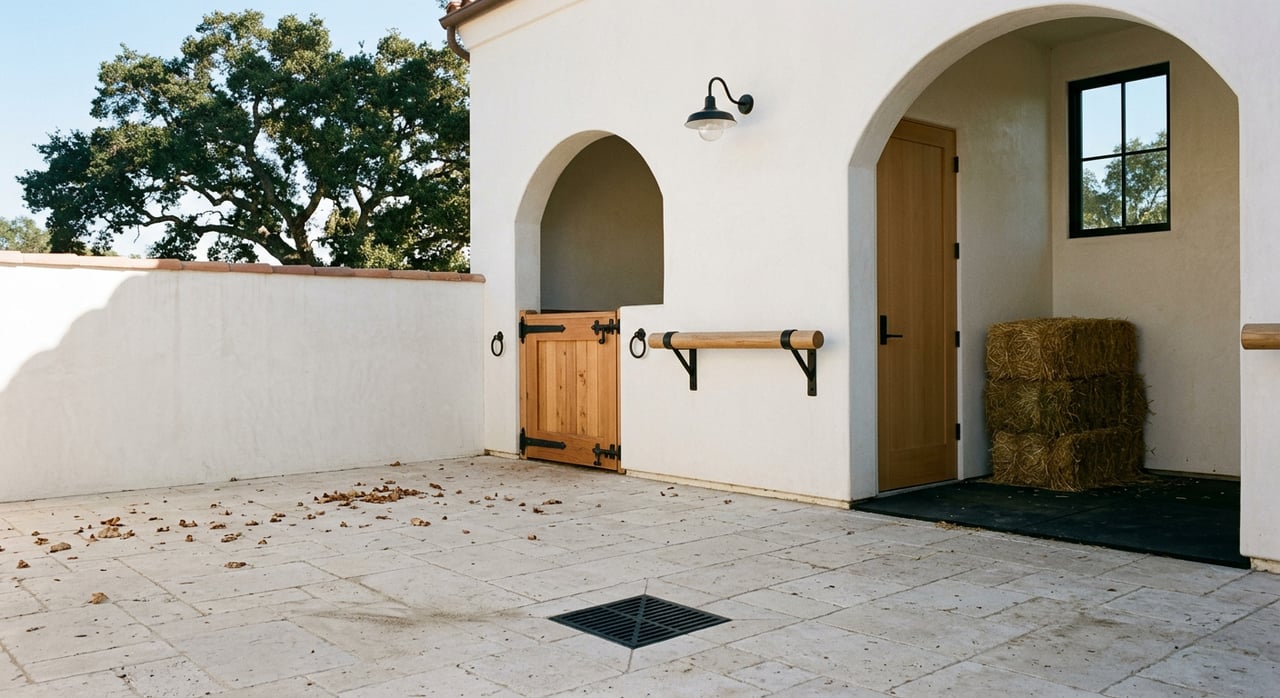
Well‑ventilated barns with dry foundations are non‑negotiable. Confirm that roofs, gutters, and wash areas are pitched to drain away from stalls and slabs. Ask sellers for permit numbers and any inspection history. The city offers practical care and permit information through its equestrian resources and trainer guidelines. You can reference the city’s training and facility rules on the Horse Training in the City page.
Feed and tack storage should be covered, vermin‑resistant, and located so spilled feed or wash water will not enter storm drains. The city’s Horsekeeping Best Management Practices outline preferred siting, runoff control, and storage approaches that reduce odors and neighbor impacts.
Turnout and pasture planning
On the Peninsula, usable flat space often matters more than total acreage. Plan for daily movement and safe turnout, and expect to rotate areas to protect footing and pasture health. In rainy months, high‑traffic pads at gates or waterers help avoid mud and slick footing. University extension guidance recommends planning space with both horse welfare and drainage in mind, especially on slopes and in small paddocks.
Fencing and perimeter safety
Safe, visible fencing such as post‑and‑rail or pipe is common locally. Avoid barbed wire and make sure posts are anchored, boards are intact, and gates swing freely with good visibility to driveways and crossings. In areas with HOAs or recorded covenants, fence style, height, or setbacks may be regulated, so plan to check community rules early in escrow.
Arenas and footing
An arena’s performance comes from the base, drainage, and the surface you ride on. A well‑compacted base that sheds water, paired with appropriate footing and consistent maintenance, keeps a ring usable year‑round. When touring, ask when the base and footing were installed, what materials were used, and how often the ring is watered and dragged. For a solid primer, see Penn State Extension’s overview of riding arena footing selection and management.
Manure and stormwater
Manure management is a frequent escrow topic and a key part of being a good neighbor. Look for covered storage sited uphill of drains and away from watercourses. Clarify whether the owner composts on site or uses a hauler, and ask for a photo of the storage area. The city’s Horsekeeping Best Management Practices provide clear, local expectations for storage, buffers, and runoff control.
Water, septic, and utilities
Verify your water service and any outdoor watering restrictions. The Palos Verdes area is served by California Water Service, which publishes system details and reports for the Palos Verdes District. If the property has a septic system, confirm its permit status and capacity before you add a wash rack or extra bathroom. For irrigation, note that drought rules can change seasonally, so factor watering schedules into arena and landscaping plans.
Fire and emergency readiness
Wildfire preparation is part of responsible horsekeeping on the Peninsula. Ask about trailer condition, evacuation routes, horse ID or microchips, and neighborhood communication plans. The city’s Equine Emergency Preparedness guide covers evacuation checklists, trailer readiness, and coordination tips to help you build a plan before a red‑flag day.
Boarding, lessons, and community
Municipal programs and rings
The Peter Weber Equestrian Center serves as the city’s municipal stable and a welcoming entry point for lessons, camps, and on‑site boarding. Programs and openings change, so always contact the center directly for current information. You can learn more at the Peter Weber Equestrian Center.
Beyond the center, the city maintains multiple public riding rings that are free or low cost to use. Be sure to check the Riding Rings Status page for closures after storms or scheduled maintenance.
Private barns and clubs
Private facilities on the Peninsula round out the mix. Portuguese Bend Riding Club, Alderin Sporthorses, Mystic Canyon Stable, Seahorse Riding Club, and others offer boarding and training in a range of disciplines. Availability and rates rotate, so call barns directly and tour in person to confirm fit and care style. For a community snapshot of local stables and history, browse this overview from Palos Verdes Magazine about horseback riding on the Hill. Community groups like the Palos Verdes Peninsula Horsemens Association publish a peninsula‑wide trail guide and host rides that help new residents learn routes and etiquette. You can find membership and guide information through the PVPHA.
Rules, permits, and HOA basics
Zoning and permits
Before you write an offer and certainly before you advertise a property as horse ready, confirm parcel zoning and permit history with the City. Zoning defines what animal keeping and accessory structures are allowed, and city staff can help with parcel‑specific guidance. Start with the city’s equestrian hub at the Rolling Hills Estates equestrian page to understand local programs and contacts.
Trainers and commercial use
If you plan to hire a trainer for lessons on public rings, the City requires permits for compensated training on municipal facilities. The most current roster and rules are posted on the city’s Horse Training in the City page. Running a boarding or lesson business at home may also require additional licensing or approvals, so discuss your plans with the City early.
HOAs and recorded covenants
Many Peninsula neighborhoods have CC&Rs that set stricter standards than city code, such as screening for barns, limits on fence style, or restrictions on commercial activity. Request the recorded documents early in escrow and confirm any enforcement history with the seller or HOA. CC&Rs stay with the property, so they will apply to you after closing.
Insurance and waivers
Most boarding barns ask riders to sign liability waivers and may require proof of personal coverage. If you plan to keep horses at home, talk with your insurer about homeowner policy language for barns, equine liability, and any additional riders you might need. Local service directories, such as Mad Barn’s Rolling Hills Estates page, can also help you identify vets, farriers, and other providers as you build your stable team.
Quick buyer checklist
Use this list when you tour equestrian‑zoned homes in Rolling Hills Estates:
- Zoning and permits. Request a zoning verification and any structure permit printouts from the City. Start with the equestrian hub.
- Trail and arena access. Review the Equestrian and Bike Trails page and the Riding Rings Status before planning regular rides.
- Barn and stall condition. Confirm ventilation, drainage, and permits; review the City’s Horse Training in the City for facility expectations.
- Manure storage and runoff. Verify siting, coverage, and haul plan using the City’s Horsekeeping Best Management Practices.
- Arena base and footing. Ask who installed the base and footing, when it was last refreshed, and how it is maintained. See Penn State’s guide to arena footing selection and care.
- Water and septic. Confirm service details and any drought rules via Cal Water’s Palos Verdes District. Verify septic permit status if present.
- Fire readiness. Review trailer condition, evacuation routes, and microchipping using the City’s Equine Emergency Preparedness.
- Preserve riding. Check designated equestrian routes and closures on the Portuguese Bend Reserve map.
- Trainers and lessons. If using public arenas, confirm your coach appears on the City’s permitted roster at Horse Training in the City.
Ready to find a property that truly fits your riding goals? Our team understands the details that make horsekeeping practical on the Peninsula, from drainage and arena footing to trail access and permit checks. If you want a partner who will walk parcels with an equestrian eye and coordinate the right inspections, connect with Janet Chen for a personalized consultation.
FAQs
How equestrian‑friendly is Rolling Hills Estates compared to other LA areas?
- The city actively supports riding with public bridle trails, municipal rings, and a dedicated equestrian program. Start with the Rolling Hills Estates equestrian page to see current facilities and policies.
Where can I check if a trail is open to horses before I ride?
- Confirm routes on the city’s Equestrian and Bike Trails page and on preserve maps, such as the Portuguese Bend Reserve map, since some trails allow horses only on designated segments.
What should I look for in a backyard arena during a showing?
- Ask about the base and drainage, footing material, watering system, and maintenance schedule. For context on best practices, review Penn State’s guide to arena footing selection and management.
How do I find lessons or boarding if my property is not horse ready?
- Start with the Peter Weber Equestrian Center for municipal programs, then call private barns for current availability. Check the city’s Riding Rings Status if you plan to haul in and use public arenas.
Do trainers need permits to teach in public arenas?
- Yes. Compensated training on city facilities requires a permit. Review rules and the current roster on the Horse Training in the City page.