Selling a home in Manhattan Beach can feel exciting and overwhelming at the same time. You want a strong price, a smooth timeline, and as few surprises as possible once buyers start asking questions. The good news is that confidence usually comes from preparation, not guesswork. With the right plan for pricing, paperwork, repairs, and presentation, you can launch your home in a way that feels organized and strategic. Let’s dive in.
Understand the Manhattan Beach market
Manhattan Beach remains a high-value, competitive seller market, but the numbers can look different depending on the source and the time frame measured. Recent 2026 snapshots showed median sale or listing prices ranging from about $3.19 million to $4.27 million, with sale-to-list ratios near 0.988 to 0.99 and days on market ranging from 16 to 40.
What does that mean for you as a seller? It means broad citywide numbers are useful for context, but they should not drive your pricing decision on their own. In Manhattan Beach, price can shift meaningfully based on property type, lot size, view orientation, condition, and even the specific block.
That is why a confident sale starts with hyper-local comparable homes, not just a headline market stat. A disciplined pricing strategy often matters more than an ambitious one, especially when buyers are comparing a small group of similar high-value listings.
Set your selling goals first
Before you touch up paint or schedule photos, get clear on what success looks like for you. Some sellers want to maximize price. Others want a faster sale or the least disruption during a move.
Your main goal should shape every decision that follows. It affects how much pre-list work you take on, how aggressively you price, and when you aim to hit the market.
If your goal is top dollar, you may choose to invest more in repairs, staging, and visual presentation. If your goal is convenience, you may focus on the most visible issues and build a launch plan that keeps the process efficient and manageable.
Price with precision
In a market like Manhattan Beach, pricing is not a copy-and-paste exercise. Two homes can share the same zip code and still command very different buyer response based on finish level, layout, outdoor space, and views.
A smart pricing review should narrow the comparison set as much as possible. The most useful comps are homes with similar lot size, condition, design quality, and location traits, not just homes that sold somewhere nearby.
Recent market data also supports a measured approach. With sale-to-list ratios around 98.8% to 99%, buyers are still paying close to asking in many cases, but that does not mean every list price will be rewarded. If the launch price misses the mark, your home can lose momentum early.
Time your launch around readiness
You may have heard that late April tends to be a strong listing window. In 2026, national timing studies pointed to mid-to-late April as a favorable period for sellers.
That said, the best time to list is usually when your home is truly ready. If you rush to market before repairs, disclosures, staging, and photography are complete, you may give up leverage that is hard to regain later.
For many Manhattan Beach sellers, the strongest launch is not the earliest one. It is the one that hits the market with clean documentation, polished presentation, and a pricing strategy that matches current buyer expectations.
Start with paperwork, not paint
One of the smartest ways to reduce stress is to begin with a file review. Before you spend money on cosmetic updates, make sure you understand what paperwork and property records need attention.
The City of Manhattan Beach states that before entering into a sale agreement or exchange of any residential building, the seller or authorized representative must obtain a Residential Building Report. This report shows the regularly authorized use, occupancy, and zoning classification of the property.
That requirement is easy to overlook, but it matters. If questions about permits or use history come up late in the process, they can slow negotiations or create avoidable uncertainty.
If your property is in the Coastal Zone, be especially careful with exterior work or permit-sensitive repairs. The city notes that projects in the Coastal Zone generally require a coastal development permit unless exempted or excluded, so it is wise to confirm requirements before starting last-minute projects.
Assemble disclosures early
California sellers also have a disclosure package that should be prepared well before your home goes live. For most residential transfers of one to four units, the Real Estate Transfer Disclosure Statement applies.
The California Department of Real Estate explains that this disclosure is not a warranty and does not replace inspections. It is designed to help communicate known information about the property, and buyers may have a rescission right after delivery under the statute.
You should also be ready to provide a Natural Hazard Disclosure Statement for mapped hazard zones. If your home was built before 1978, federal lead-based paint disclosures are required, and buyers must be given an opportunity to inspect.
Preparing these items early does more than check a legal box. It helps create a cleaner, more credible listing package and gives you time to address questions before buyers raise them.
Review permits and maintenance history
A strong pre-listing plan also includes confirming permit history and gathering records for completed work. If you remodeled, replaced systems, or completed major repairs over the years, try to collect invoices, warranties, and any relevant documentation.
This paper trail can make a real difference. Buyers often feel more comfortable moving forward when the home’s history is organized and easy to understand.
The goal is not to present a perfect property. The goal is to reduce surprises, shorten negotiations, and avoid letting a deal stall over unresolved questions.
Focus repairs where they matter most
You do not need to renovate everything before you sell. In fact, broad remodeling is often less important than addressing visible deferred maintenance and obvious cosmetic distractions.
A practical pre-list checklist often includes:
- Fixing visible wear and tear
- Addressing deferred maintenance buyers will notice right away
- Touching up paint and finishes where needed
- Making sure doors, windows, lights, and basic systems function properly
- Gathering receipts and warranty information for recent work
This approach keeps your effort focused on issues that affect buyer confidence. In a competitive market, small presentation and condition differences can influence both speed and price.
Make the first impression count
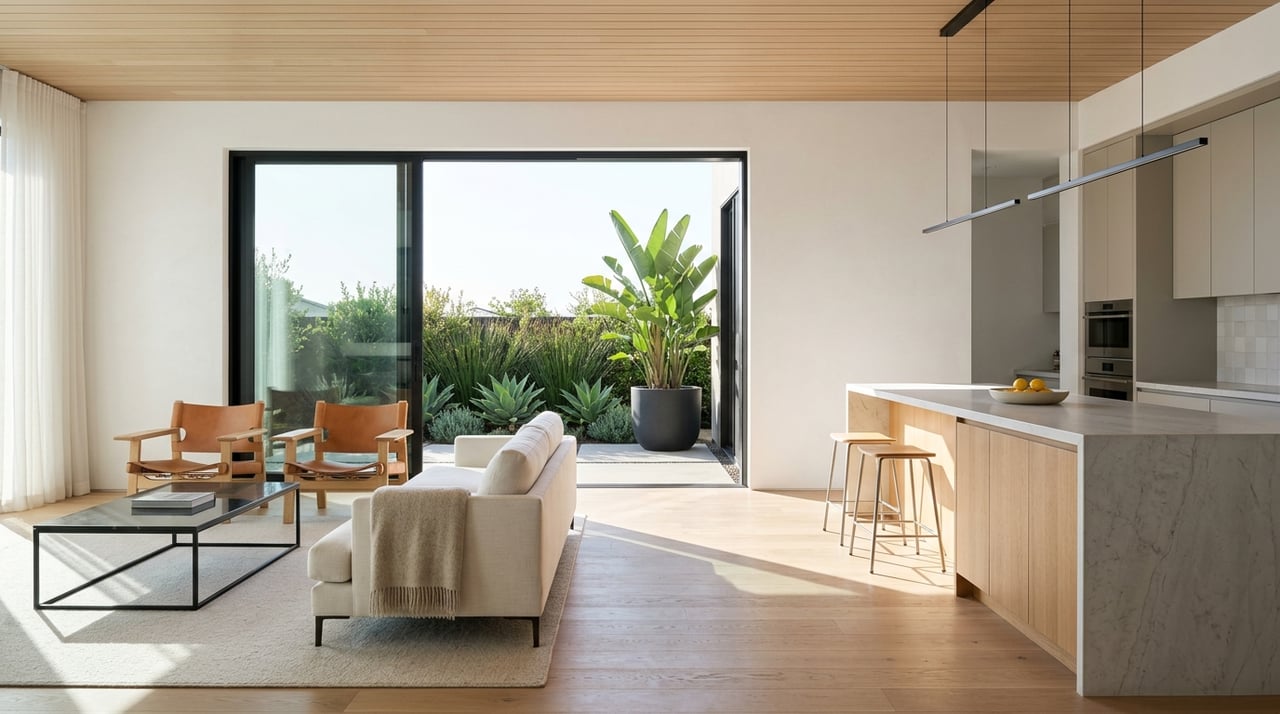
Once the home is physically and administratively ready, presentation becomes the next priority. This is where many sellers can create meaningful momentum.
According to the National Association of Realtors’ 2025 Profile of Home Staging, 83% of buyers’ agents said staging made it easier for buyers to visualize a property as a future home. The same report identified the living room, primary bedroom, and kitchen as the most important spaces to stage.
That finding is especially relevant in Manhattan Beach, where buyers are often comparing a narrow set of polished listings. If your home feels clean, bright, and easy to picture living in, it can stand out quickly.
Stage in layers
You do not need to overcomplicate the process. A layered approach often works best.
Start with decluttering and depersonalizing. Then handle cosmetic touchups. After that, focus staging efforts on the rooms that create the strongest emotional and visual impact, along with any outdoor areas that support the home’s lifestyle appeal.
This sequence helps your home feel intentional rather than overdone. It also ensures the property is ready for photos only after every visible detail is in place.
Invest in professional visuals
Visual marketing plays a major role in how buyers respond to a listing. In the same 2025 NAR staging report, buyers’ agents said photos were important to 73% of clients, while videos and virtual tours were also important tools for many buyers.
That means your online debut matters just as much as the in-person showing. If the imagery is polished and the home is photo-ready, you have a better chance of attracting serious interest from the start.
For a boutique, high-touch listing strategy, this is where modern presentation can support your pricing and launch plan. Professional imagery, strong photo sequencing, and virtual tours can help buyers understand the home before they ever step inside.
Build confidence through sequence
If you want to sell with confidence, focus on the order of operations. Start with the building report, permit review, and disclosures. Then clarify your pricing goal, complete the repairs that matter most, and finish with staging, photography, and a well-timed launch.
That sequence helps you stay proactive instead of reactive. It also gives buyers a more complete, trustworthy picture of the home from day one.
In Manhattan Beach, where even small differences in condition and presentation can influence the outcome, preparation is often your biggest advantage. If you want thoughtful guidance, premium marketing, and a calm, client-first strategy for your South Bay sale, connect with Janet Chen.
FAQs
What paperwork do you need to sell a Manhattan Beach home?
- Before entering into a sale agreement or exchange of a residential building, the City of Manhattan Beach requires a Residential Building Report showing authorized use, occupancy, and zoning classification. Many California sellers should also prepare a Transfer Disclosure Statement, a Natural Hazard Disclosure Statement, and lead-based paint disclosures if the home was built before 1978.
How should you price a home in Manhattan Beach?
- You should rely on highly local comparable sales that closely match your home’s lot size, condition, finish level, and location traits. Broad citywide median numbers can provide context, but they are not a substitute for a hyper-local pricing strategy.
When is the best time to list a Manhattan Beach home?
- Recent 2026 timing studies pointed to mid-to-late April as a strong listing window, but the best launch is usually when your home is fully ready with repairs, staging, photos, and disclosures complete.
Do you need to renovate before selling a Manhattan Beach home?
- Usually not. A more practical strategy is to fix visible deferred maintenance, handle cosmetic touchups, and focus on the issues buyers will notice most rather than taking on a full renovation.
Does staging help sell a Manhattan Beach home?
- Yes. The 2025 NAR staging report found that 83% of buyers’ agents said staging made it easier for buyers to visualize the property as a future home, with the living room, primary bedroom, and kitchen being the most important spaces to stage.