If you buy a home in Torrance's Hillside Overlay and want to add a second story, you will go to a public hearing. If the neighbor behind you wants to put a 24-foot accessory dwelling unit across the back of their lot, staff will approve it at the counter. That gap between the two is the most useful thing to understand about hillside Torrance in 2026. It affects how much a view is worth when you pay for it, and how much room you will have to change the house afterward.
Torrance adopted the Overlay in 1977 to protect the views, light, air and privacy of hillside homes, and it still adds its own development standards on top of base zoning. A neighborhood guide from the Riviera and Seaside community ties the Hillside Zone to Hollywood Riviera, Seaside, Hillside and West Torrance. The parcel-level answer comes from the city's Hillside Overlay map, and neighborhood names are a poor substitute for it.
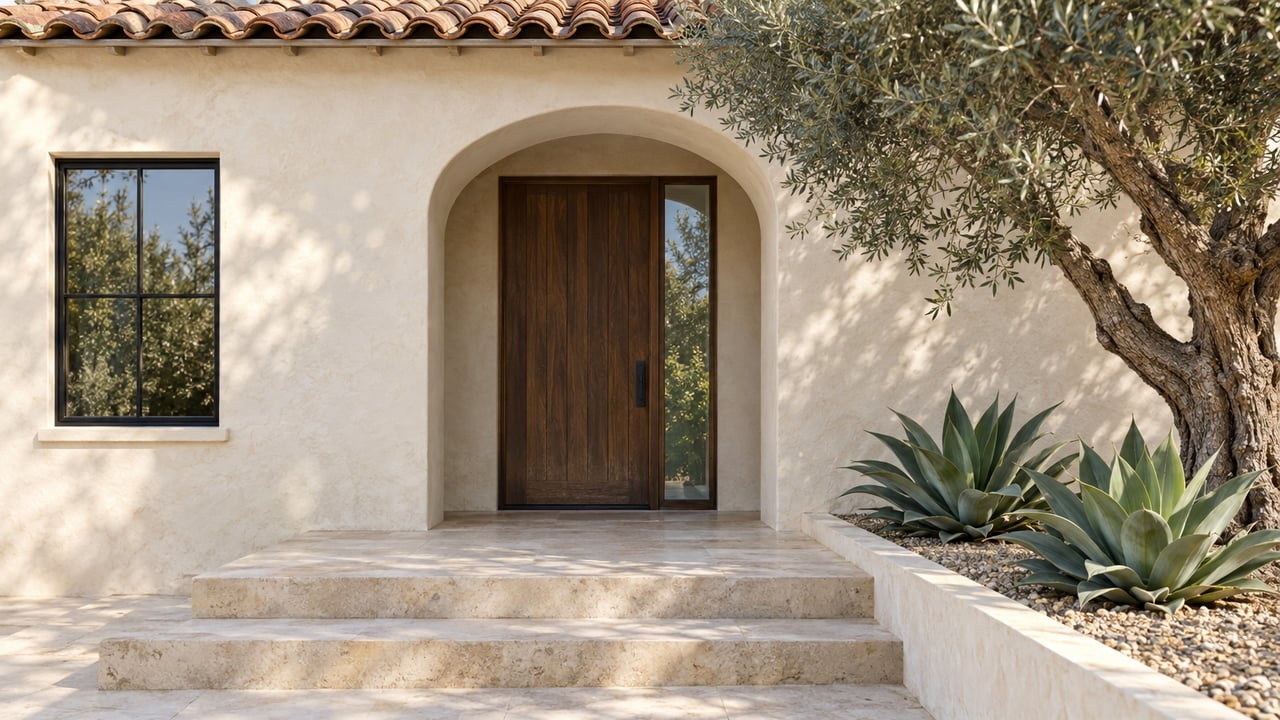
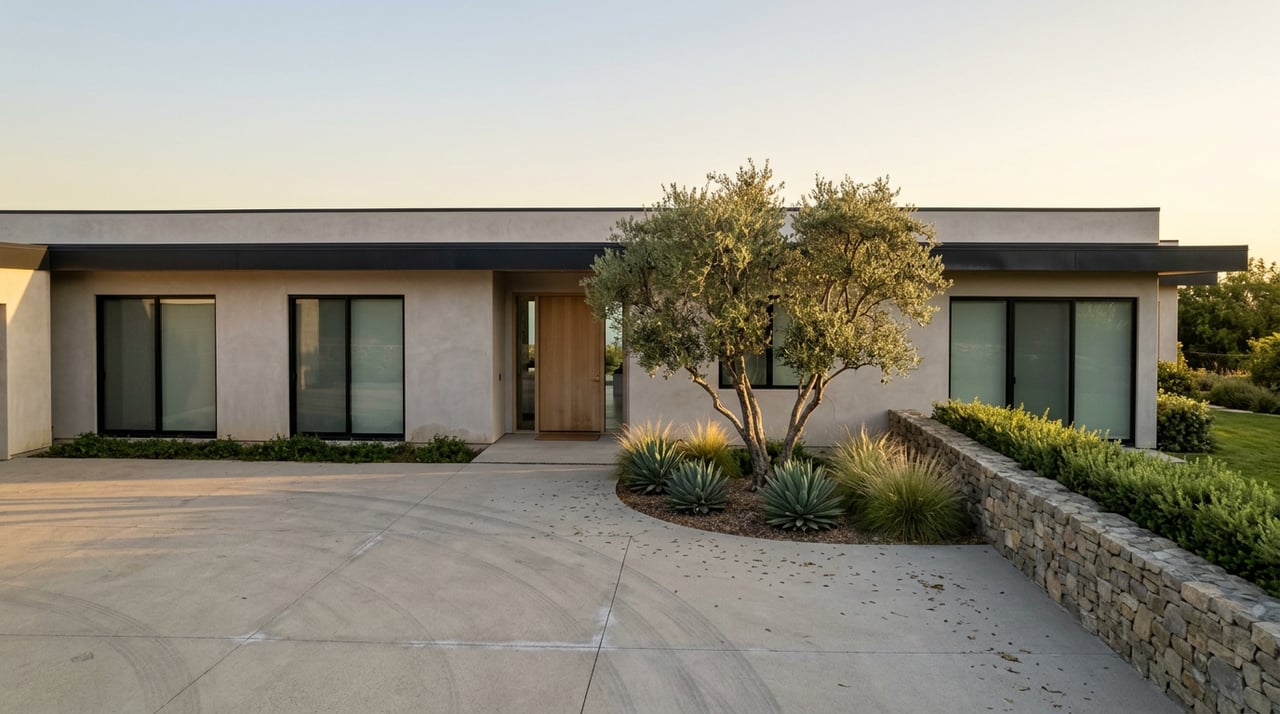
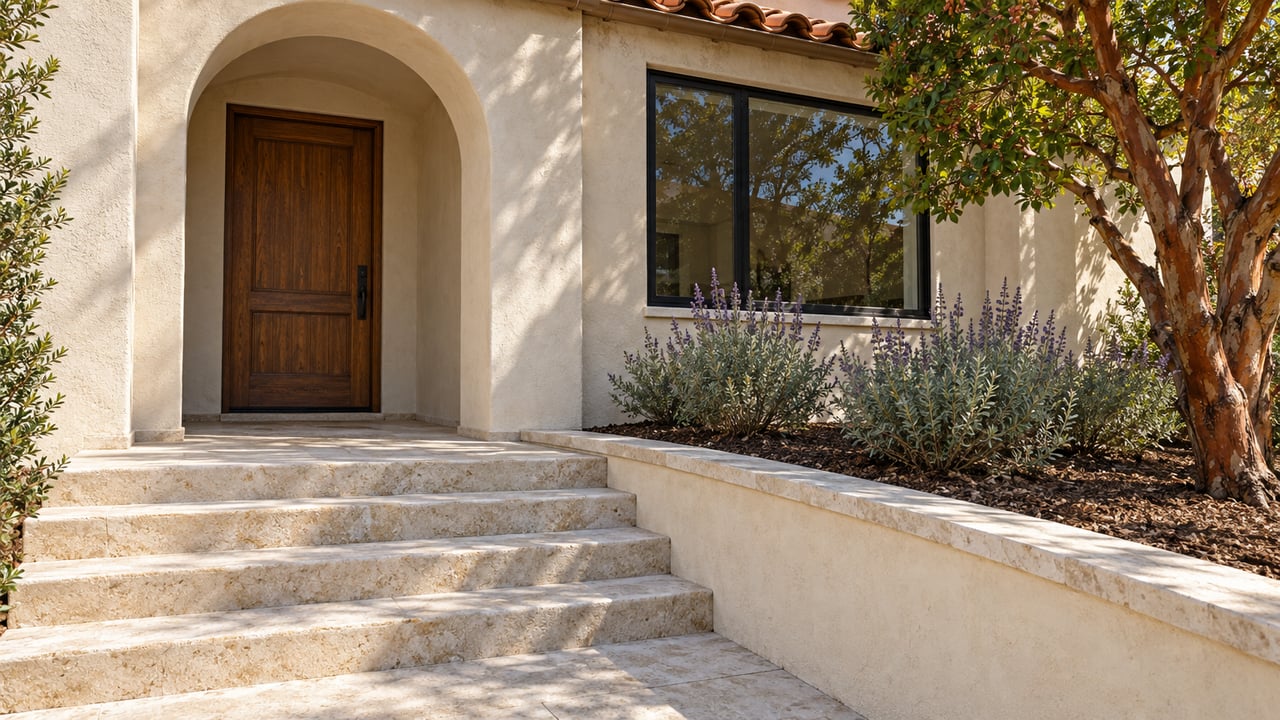
The same hillside, two levels of review
The clearest summary of how this works today is a February 18, 2026 staff report prepared for a Torrance Planning Commission workshop on the Overlay and state housing law. Here is how it lays out the paths a project can take:
| Project on a hillside lot | Review path | Can neighbors' view, light or privacy be weighed? |
|---|---|---|
| Reroof, or interior remodel with no new floor area or exterior openings | Building permit | Not at issue |
| One-story addition under 14 feet and under 0.50 FAR | Administrative Minor Hillside Exemption, with notice to nearby owners and a 10-day response window | Yes. Objections trigger staff review and can lead to conditions or denial |
| Two-story addition or home, roof deck, or anything over 0.50 FAR | Precise Plan heard by the Planning Commission, with appeal to City Council | Yes. Required findings include no adverse impact on views, light, air and privacy |
| ADU within the state-protected size and height limits | Ministerial approval | No |
| Multi-unit housing project meeting objective standards under the Housing Accountability Act | Denial allowed only for a specific, objectively documented health or safety impact | No |
Everything in the top three rows applies to the person who just bought the house. The bottom two rows apply to the people around them. The Overlay still works the way it always has for a traditional addition. The protection it used to give a view owner has been cut back by state law, one exemption after another.
The staff report says ADU and junior ADU review must be "ministerial and without a discretionary review process citywide, including the Overlay." A detached unit up to 800 square feet and 16 feet tall, with four-foot side and rear setbacks, falls in the category the city must approve. Inside the Overlay, a two-story ADU is allowed only when it is attached to the main house. An attached ADU can reach 24 feet, according to Daily Breeze reporting.
The garage that became a second story
The best illustration came from the dais. In a May 2026 Daily Breeze story, Councilmember Bridgett Lewis described a Hollywood Riviera homeowner whose second-story addition the council denied under the Overlay. A few weeks later the same owner applied for an ADU on top of the existing garage. "We had to approve it," Lewis said.
That story shows the thesis at the scale of one house. The same owner on the same lot got a different outcome by filing under a different legal category.
The same article covers the view owner's side. Bernie Kersulis said his family lost about a third of their view, including the ocean, when a backyard neighbor built a 24-foot ADU across the back of the property, and that the neighbor "didn't have to notify anyone." A local agent quoted in the piece put the home's value at about $1.5 million and estimated the partial view loss at roughly $100,000. That figure is one professional's opinion about one house, not a market-wide measurement. It still shows the size of what is at stake when a view gets priced into a hillside purchase.
The Daily Breeze piece credits the ADU rules to Senate Bill 9. The city's staff report treats them as separate. ADU and junior ADU law requires ministerial review on its own track. SB 9 deals with two-unit projects and urban lot splits in single-family zones. Torrance was one of five charter cities that won an April 2024 Superior Court ruling that SB 9 did not apply to them. SB 450 then took effect January 1, 2025 and extended SB 9 to charter cities. City Attorney Patrick Sullivan summed it up as "We won the battle but lost the war."
Walteria, where the same rule covered 20 units
On Tuesday, September 15, 2026, the City Council let a 20-unit senior mixed-use project move forward in Walteria. Members had denied it on May 19. The site is a narrow triangular parcel of 24,635 square feet on the east side of Hawthorne Boulevard, about 200 feet north of Rolling Hills Boulevard. It has been vacant for decades and is surrounded by single-family homes inside the Hillside Overlay District. The building will be three stories over underground parking, 42 feet 6 inches from basement floor to roof.
City staff found that four homes on the south side of Eleda Drive, about 22 feet below the project's front property line, will lose a significant amount of sunlight. That is the kind of impact the Overlay was written to weigh. Because the developer applied under the Housing Accountability Act, view, light and privacy impacts could not be grounds for denial. The only path to denial was an unmitigable threat to public safety.
After the May denial, the developer went to the California Department of Housing and Community Development. Mayor Sharon Kalani said HCD told the city that a court finding against it could bring fines starting at $10,000 per housing unit and could invalidate the city's entire housing element.
"We do not have a choice in this matter," Kalani said. "The city's hands are tied due to state housing laws."
Grading, drainage, soil and similar questions are not settled yet. The city staff report says they will be handled in plan check, and the project will not get building or grading permits if the applicant cannot satisfy staff corrections.
Where the next pressure points are already mapped
The Walteria parcel was not a surprise to anyone reading Torrance's 2022 Housing Element. Its sites inventory assigns a 33-units-per-acre target to a run of Walteria-area commercial parcels on Hawthorne, including 24449 Hawthorne Boulevard and several parcels in the 24200 block. The inventory also lists:
- a vacant 0.72-acre parcel at 3825 Pacific Coast Highway, with a 33-units-per-acre target and 17 net realistic units
- two religious properties marked "Hillside Overlay," at 330 Palos Verdes Boulevard with 10 units of capacity and at 375 Palos Verdes Boulevard with 9, both at 23.25 units per acre and both tagged for the Religious Institution Housing Overlay Zone
These numbers are capacity assumptions, not approvals. The adopted Housing Element says plainly that it creates no development entitlement. For anyone looking at a home that backs onto one of these addresses, though, the inventory shows which parcels the city has already counted toward its state housing target.
A live process is also underway. The city's Focused General Plan Amendment updates the Land Use Element so its density ranges match the Housing Element sites inventory. The city notes that the amendment itself proposes no development. Public review of its Negative Declaration runs through 5:00 p.m. on Monday, October 26, 2026, and written comments go to Planning Manager Oscar Martinez.
What has not changed, as of early October 2026
Buyers sometimes hear that new rules are coming to restore the old protections. Nothing like that has been adopted. After the May 19, 2026 council workshop, the city opened an outreach effort asking for comments on objective development standards for R-1 and Hillside and Coastal Overlay properties. Staff will use the input for "future City Council discussions and consideration." A Community Development update listed August 30, 2026 as the end of the discussion forum. No council date or draft code has been published. Torrance's latest ADU code change on record is Ordinance O-3954 from October 2025, and the city's ADU page says that where it conflicts with state law, state law controls.
At the state level, the Secretary of State's list of qualified measures for the November 3, 2026 ballot includes no local-control housing initiative. For anyone writing an offer this fall, the rules in the table above are the ones in force.
Reading a hillside listing with this in mind
None of this means hillside Torrance is a poor buy. A view still has value, and the Overlay still limits conventional two-story additions all around you. The view simply carries more risk than it did a few years ago, while your own plans for the house still face the full process. A few steps before you write an offer:
- Confirm the parcel is in the Overlay on the city map. Don't rely on the neighborhood name or the listing remarks.
- Look at the lots that frame your view. A neighbor's detached ADU within state limits is approved without discretionary review, and an attached one can rise to a second story.
- Check nearby addresses against the Housing Element sites inventory, especially along Hawthorne Boulevard in Walteria, Pacific Coast Highway and Palos Verdes Boulevard.
- If you plan to expand, price in the Precise Plan. A second story or roof deck goes before the Planning Commission, and a neighbor can appeal to the City Council.
- Keep an eye on the objective standards effort. Whatever the council eventually adopts could change what both you and your neighbors are allowed to build.
Questions that come up on hillside tours
Does a Precise Plan guarantee my view? No. Its findings look at whether a project has an adverse impact on views, light, air and privacy and whether it is the least intrusive option. That is a review of impacts, not a promise that the view stays the same.
Can a neighbor's ADU become a vacation rental? The city's staff report says recent state amendments made clear that ADUs cannot be used as short-term rentals.
Does the Housing Accountability Act apply to a single house? According to the city's staff report, the law covers projects with more than one unit, and that includes an application for a single-family home plus an ADU.
If you're looking at a home in Hollywood Riviera, Seaside or Walteria and want to know what could go up around it and what you could add yourself, Janet Chen Group can go through the Overlay map, the sites inventory and the lots around a specific address with you before you make an offer. Request a personalized consultation and free home valuation, in English or Chinese.