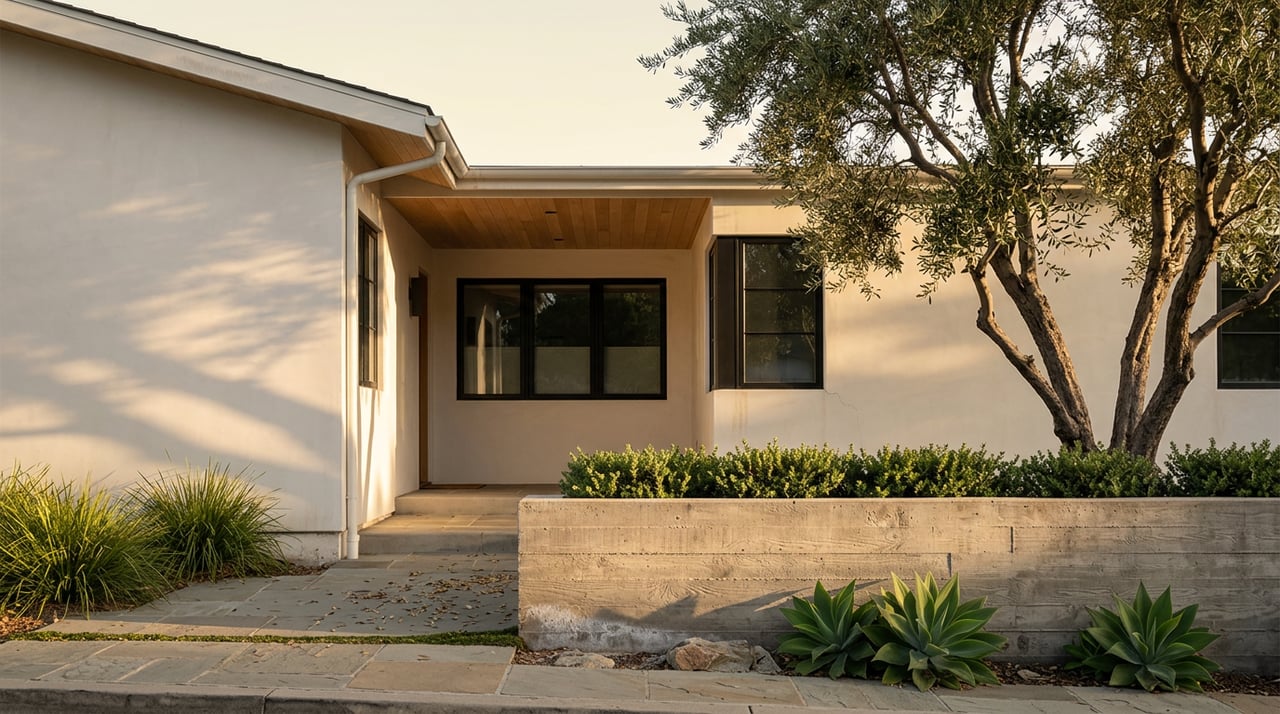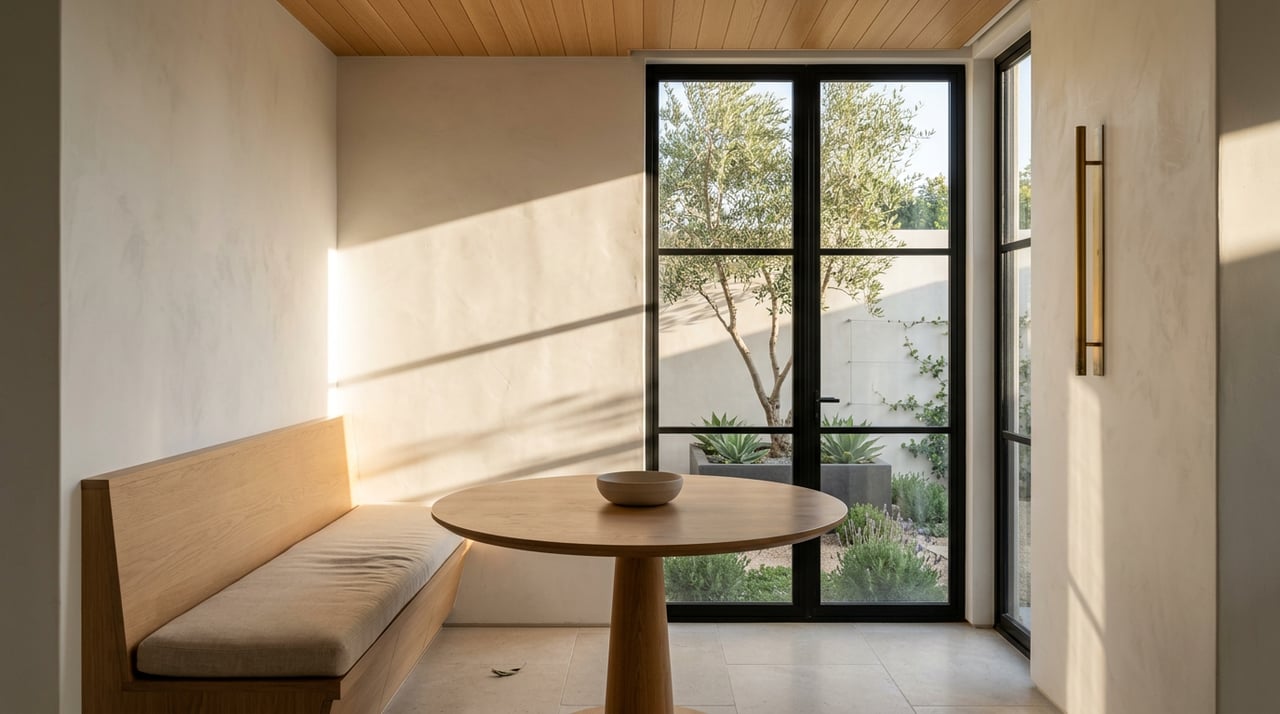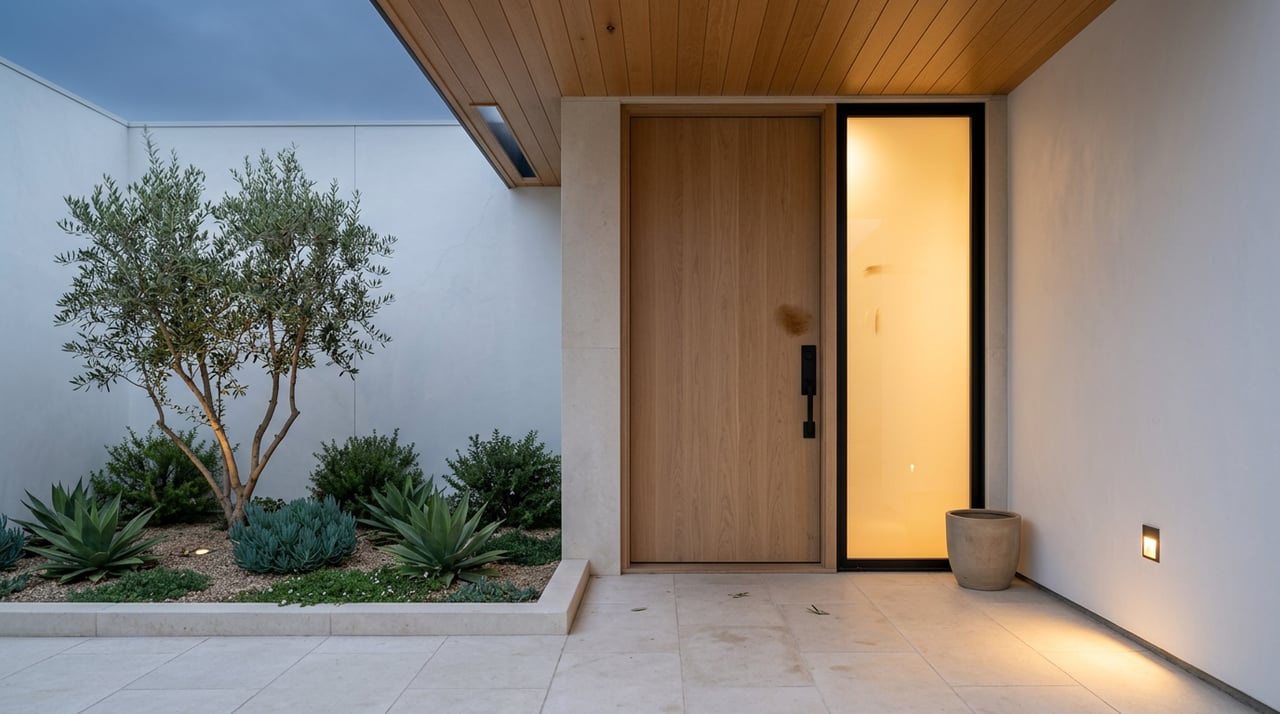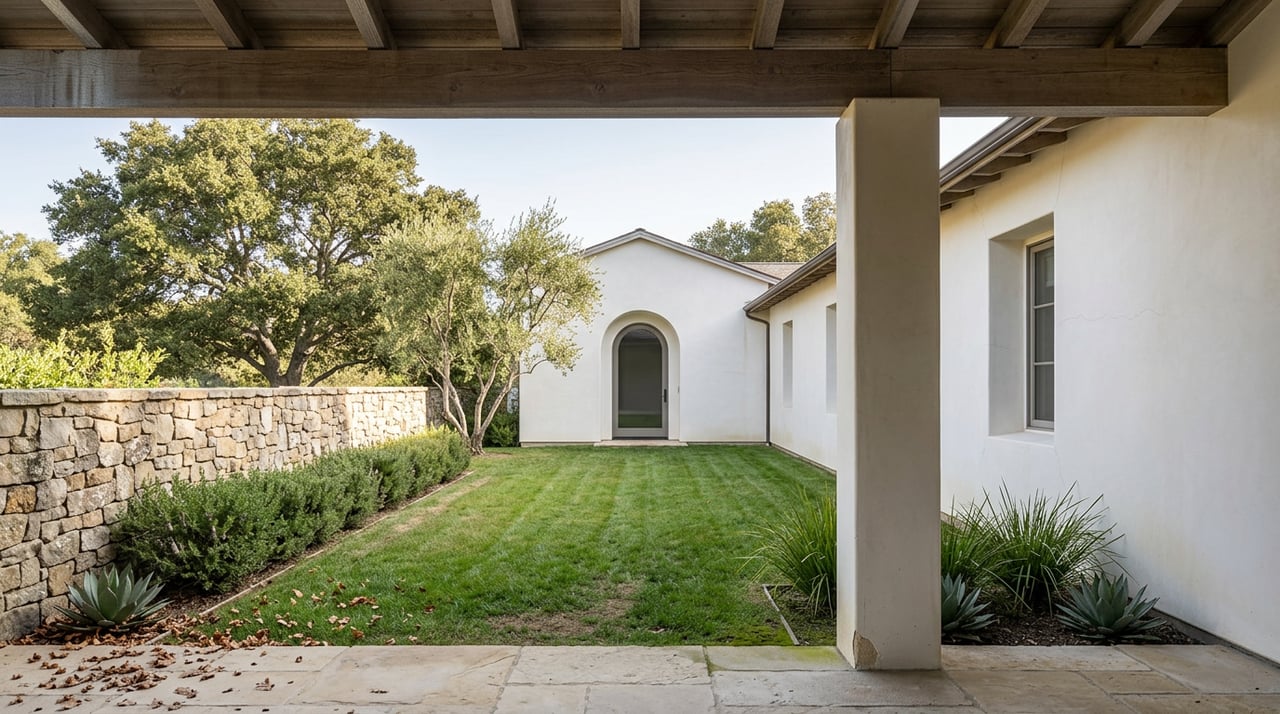
The gate at the top of Palos Verdes Drive North doesn't announce itself with much fanfare. A small guardhouse, a keypad, a name plate that reads Rolling Hills Community Association. On the other side, the road narrows, the streetlights disappear, and the houses sit on lots that start at an acre. A few hundred yards away, in Rolling Hills Estates, the road stays wide, the traffic signals keep working, and you can tour a condo or a three-bedroom house on a quarter-acre lot without anyone checking your name against a list.
Buyers comparing these two cities online often assume they're looking at the same market in two sizes. They're not. The price difference between them, often two to three times per square foot, has almost nothing to do with school quality or freeway access. It comes down to who actually governs the land.
Two Names, One City Line, Two Governments
Rolling Hills and Rolling Hills Estates share a border, a zip code region, and access to the same Palos Verdes Peninsula schools. What they don't share is a governing structure.
Rolling Hills is an incorporated city, but it operates alongside a second, older authority: the Rolling Hills Community Association. The RHCA was established in 1936 by developer A.E. Hanson and the Palos Verdes Corporation to build and protect a private, gated community of ranches and family homes, and it still functions that way today. The city handles public safety and code enforcement. The RHCA handles something buyers rarely think to ask about until they're deep into a purchase: who controls the gates, the roads, the trails, and the architectural rules for every house behind them.
That split matters more than it sounds. The RHCA's design authority means no house in Rolling Hills gets built or substantially remodeled without its review, and its long-standing rule limiting homes to one story is still enforced. It also maintains the community's tennis courts and riding rings and supports groups like the Caballeros de Rancho Palos Verdes and the Women's Community Club, organizations that only exist because the RHCA does.
Rolling Hills Estates has no equivalent citywide association. It's a single-layer city government, and its housing stock reflects that. Recent data on common interest developments in Rolling Hills Estates shows a mix of seven homeowners associations, seven smaller unclassified entities, four townhome associations, two property owners associations, and one condominium building, each with its own rules, not one uniform code applied to the whole city. You can buy a townhome there. You cannot buy one in Rolling Hills, because Rolling Hills doesn't have any.
What the Numbers Actually Show
As of August 2026, homes in Rolling Hills were listing at a median of roughly $4.5 million, with a median price per square foot near $928, largely unchanged from the year before. A separate read on the market from local brokerage data put the median list price closer to $5.4 million, with lot sizes ranging from about one acre to 2.7 acres, and construction styles concentrated in California ranch and Spanish hacienda homes with modern updates.
Rolling Hills Estates tells a different story. Median list prices there sat around $1.3 to $1.4 million in July 2026, down roughly 12 percent from the year before, a softening buyers should read as room to negotiate rather than a sign of trouble with the housing stock itself.
Put the two side by side and the gap is stark, not because one city sits closer to the ocean or the good schools. Both cities are zoned to Palos Verdes Peninsula Unified. Both sit roughly the same distance from the 405 and PCH. The gap is what you're actually buying: acreage, architectural uniformity, and a private gate, versus a broader mix of home types and price points inside a normal city grid.
| Rolling Hills | Rolling Hills Estates | |
|---|---|---|
| Governing bodies | City plus RHCA (private, since 1936) | City only |
| Typical lot size | 1 to 2.7 acres | Standard suburban lots, some smaller-lot HOAs |
| Housing stock | Single-family only | Single-family, townhomes, condos |
| Architecture rule | One-story homes, RHCA design review | No citywide architectural authority |
| Median list price (2026) | Roughly $4.5M to $5.4M | Roughly $1.3M to $1.5M |
| Access | Guard-gated, no through traffic | Open city streets |
Where the Premium Actually Lives
It's tempting to describe Rolling Hills as the nicer version of Rolling Hills Estates. That framing misses what buyers are actually paying for. The premium in Rolling Hills isn't proximity or prestige in the abstract. It's land use policy, held in place by a private association with the authority to say no to a second story, and a road system that only residents and their guests can enter without a pass.
That's a real and defensible value for the right buyer, someone who wants acreage, quiet, and long-term control over what gets built next door. It's a poor fit for a buyer who wants a townhome, a starter house, or the flexibility to add a second story down the road. Rolling Hills Estates offers all three. Rolling Hills, by design, offers none.
What This Means If You're Touring Both
A few practical differences show up the moment you start scheduling showings.
Getting into Rolling Hills requires advance notice. Visitors, movers, and even inspectors need to clear the gate, and the RHCA publishes its gate policy and a formal Essential Information for Realtors packet for exactly this reason. Plan showings with a buffer, and expect the same friction later for movers and contractors.
Renovation plans need a reality check before you write an offer. If a two-story addition is part of your long-term plan, Rolling Hills isn't the city to buy in. The RHCA's design review exists specifically to prevent that.
Financing conversations differ too. At a median price north of $4 million, most Rolling Hills purchases sit well into jumbo loan territory, and cash offers are more common at that tier. Rolling Hills Estates spans a wider price band, which means conventional financing stays workable for a larger share of buyers there.
Disclosure paperwork isn't identical either. If you're buying a townhome or condo in Rolling Hills Estates, California's common interest development disclosure rules apply, and they changed again this year. Senate Bill 410 added a new requirement to the standard resale disclosure package: a copy of the property's most recent exterior elevated element inspection report, covering balconies and decks, effective January 1, 2026. That requirement sits inside the state's civil code framework for CID resale certificates, and it's separate from anything the RHCA governs in Rolling Hills, since Rolling Hills' single-family, deed-restricted model doesn't fall under the same common interest development rules to begin with.
A Few Questions Worth Settling Early
Are the schools different between the two cities? No. Both Rolling Hills and Rolling Hills Estates are zoned to the Palos Verdes Peninsula Unified School District. The price gap between them isn't a schools story.
Can I add a second story to a home in Rolling Hills? Under current RHCA design guidelines, homes there are limited to one story. Buyers who need vertical square footage should look at Rolling Hills Estates or elsewhere on the Peninsula instead.
Do I need an appointment to see a home behind the Rolling Hills gates? Yes. Showings, inspections, and moving days all require gate clearance in advance, so build that lead time into your schedule from the start.
If you're weighing these two cities, or trying to figure out which Peninsula community actually matches your list of must-haves, Janet Chen Group can walk you through the practical differences in person, including what a specific lot or floor plan can and can't become under RHCA review. Request a personalized consultation and free home valuation to start comparing your real options, not just the map.