If you picture Manhattan Beach living as a quick walk to the sand, a front patio that feels connected to the neighborhood, and a street designed more for people than cars, walk-street living may be exactly what you are imagining. At the same time, it comes with a daily rhythm that is different from a traditional residential block. If you are thinking about buying or selling on one of these special streets, it helps to know what life there really feels like. Let’s dive in.
What is a walk street in Manhattan Beach?
In Manhattan Beach, a walk street is a dedicated public street improved with a public walkway that is closed to vehicle traffic. In the Downtown Specific Plan area, the city identifies walk streets on parts of 15th, 14th, 12th, and 11th Streets from The Strand to Ocean Drive, plus 13th and 10th Streets from The Strand to Highland Avenue, and 9th Street from The Strand to Manhattan Avenue.
These east-west corridors are designed as pedestrian links to the beach. The city’s planning language emphasizes beach access, scenic views, neighborhood character, and community interaction. In simple terms, these are public pathways where the experience is centered on walking rather than driving.
Why walk streets feel so unique
Manhattan Beach is a compact coastal city with about 2.1 miles of beachfront, roughly 4 square miles of land area, and a population of 35,506. That scale shapes daily life in a big way. On a walk street, you feel closely tied to the beach, The Strand, and the downtown core.
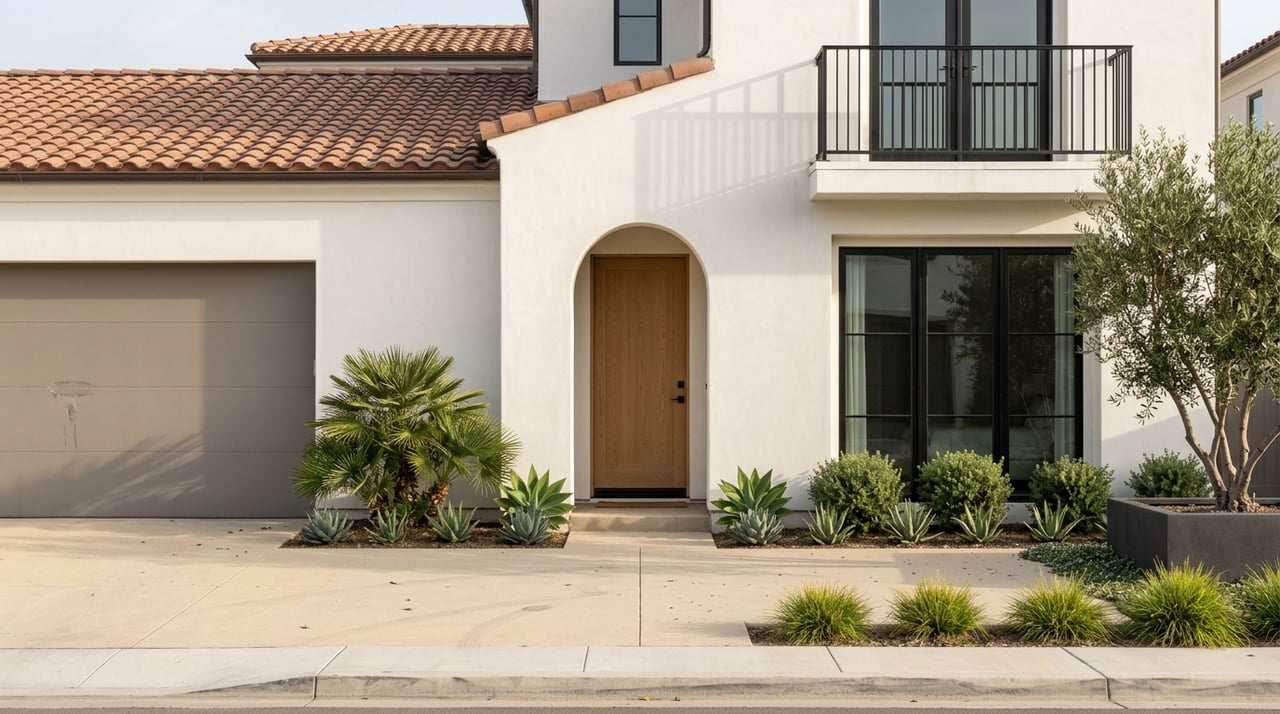
That setting creates a very different atmosphere from a standard residential street. Instead of garage doors, curb cuts, and passing cars at the front edge of the home, you see a pedestrian walkway and outdoor spaces that often open toward it. The result is one of the most distinctive living experiences in Manhattan Beach.
Daily life on a walk street
Your front door faces people, not cars
The biggest day-to-day difference is simple: cars do not travel on the walk street itself. That means the area in front of the home is organized around pedestrians rather than vehicle access. You are more likely to notice neighbors walking by, beachgoers heading toward the sand, and a general sense of movement on foot.
For many people, that is the appeal. The setting feels relaxed, coastal, and connected. If you value a lifestyle where stepping outside puts you into the flow of the neighborhood, a walk street can feel very special.
Parking and guest access take planning
Because vehicles do not use the walk street itself, everyday logistics work differently. Guests, service providers, movers, and deliveries typically need to use nearby vehicle-access streets or available parking options instead of pulling up directly in front of the home.
The city notes that Manhattan Beach has 12 public parking lots with more than 1,400 spaces, and it also lists transit serving Downtown Manhattan Beach and the Pier area. Even so, if you live on a walk street, you will want to think ahead about arrival, unloading, and visitor access. It is not necessarily difficult, but it is different from a conventional street.
Regular city services still continue
A walk street does not mean you lose basic city services. Residential refuse service still runs as a normal city service, with weekly collection. The city also requires carts to be kept on the property and out of public view when they are not set out.
That matters because it speaks to how walk streets balance public activity with neighborhood upkeep. Even in a more open, pedestrian setting, there are still clear expectations around order and maintenance.
Outdoor living feels front and center
One of the biggest lifestyle benefits of a walk street is how naturally it supports outdoor living. City standards limit front barriers to relatively low heights, with fences and railings allowed only in open designs up to 42 inches, while walls and closed fences are limited to 32 inches. Near corners, those heights are reduced further for visibility.
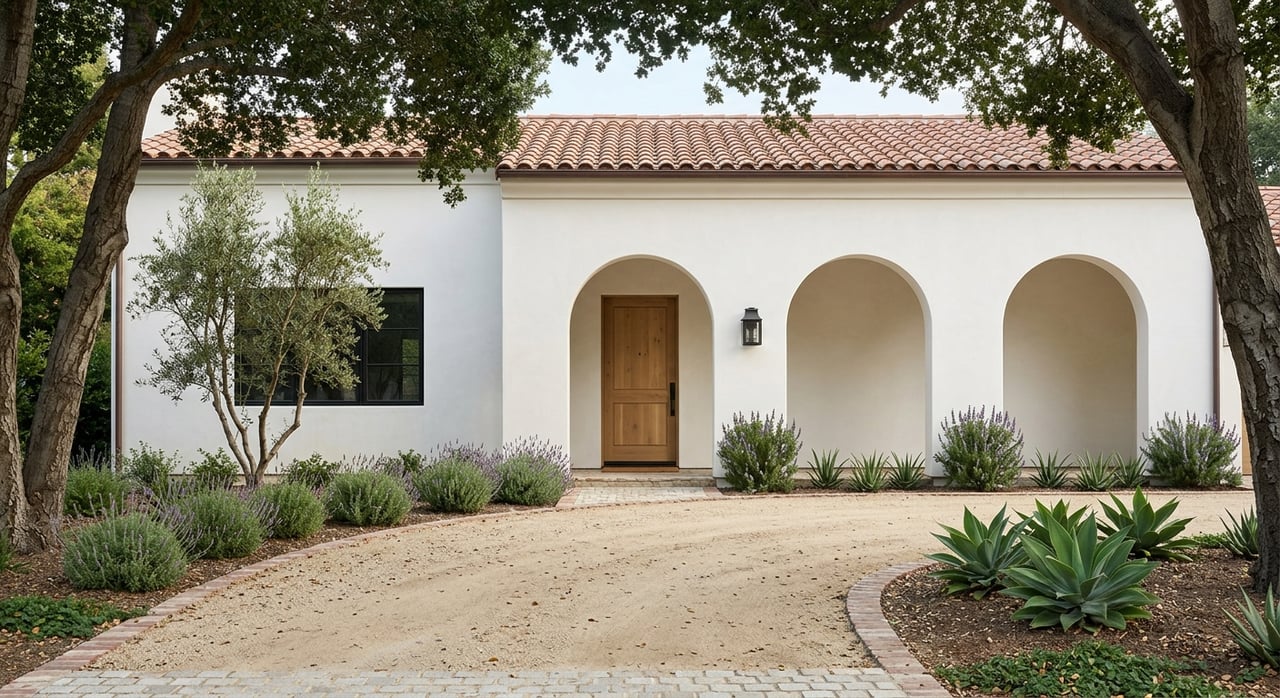
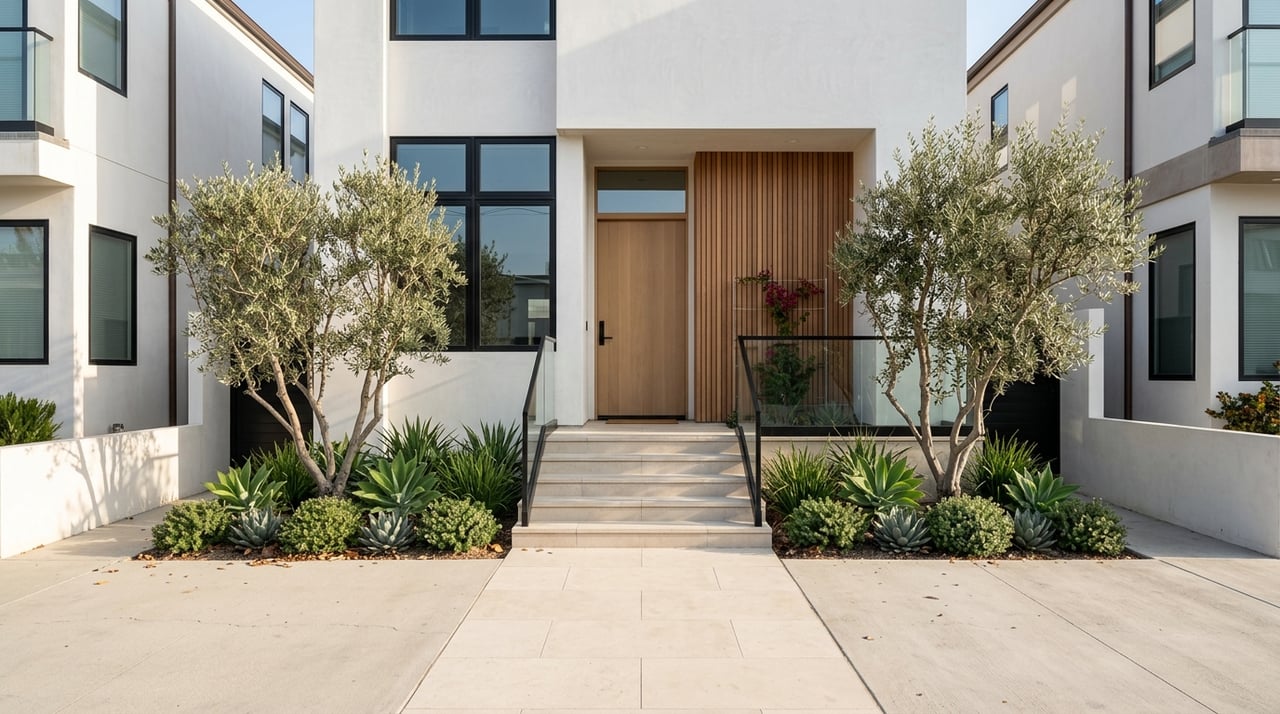
Those rules help explain the look and feel you see on many walk streets. Instead of tall enclosed front yards, homes often lean into patios, stoops, gardens, and indoor-outdoor spaces that engage with the walkway. The Downtown Specific Plan specifically notes a mix of private and public outdoor patios, gardens, and living spaces along these streets.
The social side of the street
Because the street edge is visually open, walk streets often feel more social than a typical block. You may find yourself greeting neighbors more often, spending time on a front patio, or enjoying the energy of a beach-close pedestrian corridor. The city directly connects walk streets with healthy community interaction.
For some buyers, this is a dream setup. It feels lively, welcoming, and deeply tied to the coastal lifestyle people associate with Manhattan Beach.
The privacy tradeoff
That same openness can also be the main adjustment. If you are used to a high front hedge, solid gate, or a more separated relationship to the street, a walk street may feel more public. The design standards are meant to preserve openness and visibility, so privacy works differently here than it might on a traditional residential lot.
That does not mean there is no privacy. It means privacy often comes from home design, layout, landscaping choices that comply with standards, and how indoor and outdoor spaces are arranged, rather than from tall front enclosures.
Pros of living on a walk street
If you are wondering why buyers are drawn to these homes, the appeal is easy to see.
- Strong connection to the beach and easy access to The Strand
- A highly walkable setting centered on pedestrian movement
- Distinctive neighborhood character that feels hard to replicate elsewhere
- Outdoor-living potential at the front of the home
- A social, connected atmosphere that supports everyday interaction
The city describes The Strand as a place to walk, run, bike, skate, and people-watch. When you live on a walk street, that beach-oriented lifestyle can feel woven into your everyday routine rather than saved for weekends.
Tradeoffs to consider before buying
Walk-street homes are not one-size-fits-all. The same features that make them special can also require a mindset shift.
- Less conventional front-yard privacy due to lower, open-design barriers
- More planning for parking and unloading because the street itself is pedestrian-only
- More exposure to foot traffic and neighborhood activity
- Different guest and service access patterns than on a standard street
None of these are deal-breakers for the right buyer. In fact, many owners see them as part of the charm. The key is knowing your own lifestyle and comfort level before you make a move.
How walk streets compare to traditional streets
Here is a simple side-by-side look at the difference.
| Feature | Walk Street | Traditional Street |
|---|---|---|
| Front-of-home experience | Pedestrian-oriented | Vehicle-oriented |
| Car access at frontage | No | Yes |
| Outdoor front space feel | More open and social | Often more separated |
| Privacy style | Lower barriers, visible frontage | Often easier to screen |
| Guest logistics | More planning required | More direct access |
| Beach connection | Typically very strong | Varies by location |
If your priority is convenience at the curb, a traditional street may feel more familiar. If your priority is a beach-close lifestyle with a strong pedestrian feel, a walk street may be a better fit.
What this means for buyers
If you are shopping for a home on a walk street, try to evaluate more than the home itself. Think about how you live every day. Ask yourself how often you host, how you handle deliveries, how much privacy you want at the front of the house, and whether a lively pedestrian setting feels energizing or distracting.
It also helps to visit at different times of day. Morning, afternoon, and weekends can each give you a slightly different read on foot traffic, sound, sunlight, and overall rhythm. On a walk street, lifestyle fit matters just as much as square footage and finishes.
What this means for sellers
If you are selling a walk-street property, your marketing should highlight what makes the setting special. Buyers are not just purchasing a home. They are buying into a specific way of living in Manhattan Beach.
That means showing the relationship to the beach, The Strand, and downtown, while also setting clear expectations about access and the pedestrian environment. The right presentation can help buyers appreciate the benefits and understand the tradeoffs upfront, which usually leads to stronger alignment and better decision-making.
Why local guidance matters
Walk-street homes are distinctive, and that usually means buyers and sellers benefit from local, property-specific guidance. Features that look charming in photos can have very practical implications in daily life, from guest access to how outdoor spaces function. Understanding both the appeal and the logistics helps you make a more confident move.
If you are considering a purchase or sale in Manhattan Beach, it helps to work with an advisor who understands how neighborhood design shapes value and lifestyle. That kind of local context can make a real difference.
If you are thinking about buying or selling in Manhattan Beach and want clear, personalized guidance, connect with Janet Chen. You will get warm, knowledgeable support tailored to your goals, with the thoughtful, high-touch service that defines the Janet Chen Group.
FAQs
What is a walk street in Manhattan Beach?
- A walk street in Manhattan Beach is a dedicated public street with a public walkway that is closed to vehicle traffic.
Which Manhattan Beach streets are considered walk streets?
- In the Downtown Specific Plan area, the city identifies walk streets on parts of 15th, 14th, 12th, and 11th Streets from The Strand to Ocean Drive, plus 13th and 10th Streets from The Strand to Highland Avenue, and 9th Street from The Strand to Manhattan Avenue.
How does parking work for homes on Manhattan Beach walk streets?
- Because cars do not use the walk street itself, residents and guests typically rely on nearby vehicle-access streets and parking options, including public parking in the downtown area.
Are Manhattan Beach walk streets more social than regular streets?
- They often feel more social because the public corridor is designed around pedestrians, and city planning language notes that these streets support community interaction.
Do Manhattan Beach walk streets offer less privacy?
- They can feel less private at the front of the home because city standards limit the height and design of walls, fences, and railings to preserve openness and visibility.
Is a Manhattan Beach walk-street home a good fit for every buyer?
- Not always. These homes can be ideal if you want a beach-connected, pedestrian-oriented lifestyle, but they may be less appealing if you prefer direct front-of-home car access or a more private street presence.